the awethu project


services

systems thinking
prototyping
adaptive strategy
strategic design

info

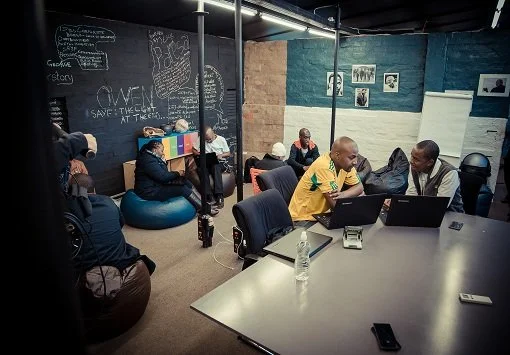
Awethu was a South African organisation that identified and supported high-potential entrepreneurs through funding, mentorship and business support. The case focused on a moment when it had just secured a major funding partnership with SAB and was considering how this, and future corporate partnerships, could help scale its impact.

Course: An academic challenge for Adaptive Leadership for Innovation, Growth
& Strategy @ IE University. (Awethu is now defunct)


the problem isn’t funding. it’s what happens after.

As we evaluated what this new capital and partnership model could unlock, three tensions kept surfacing.


the proposal


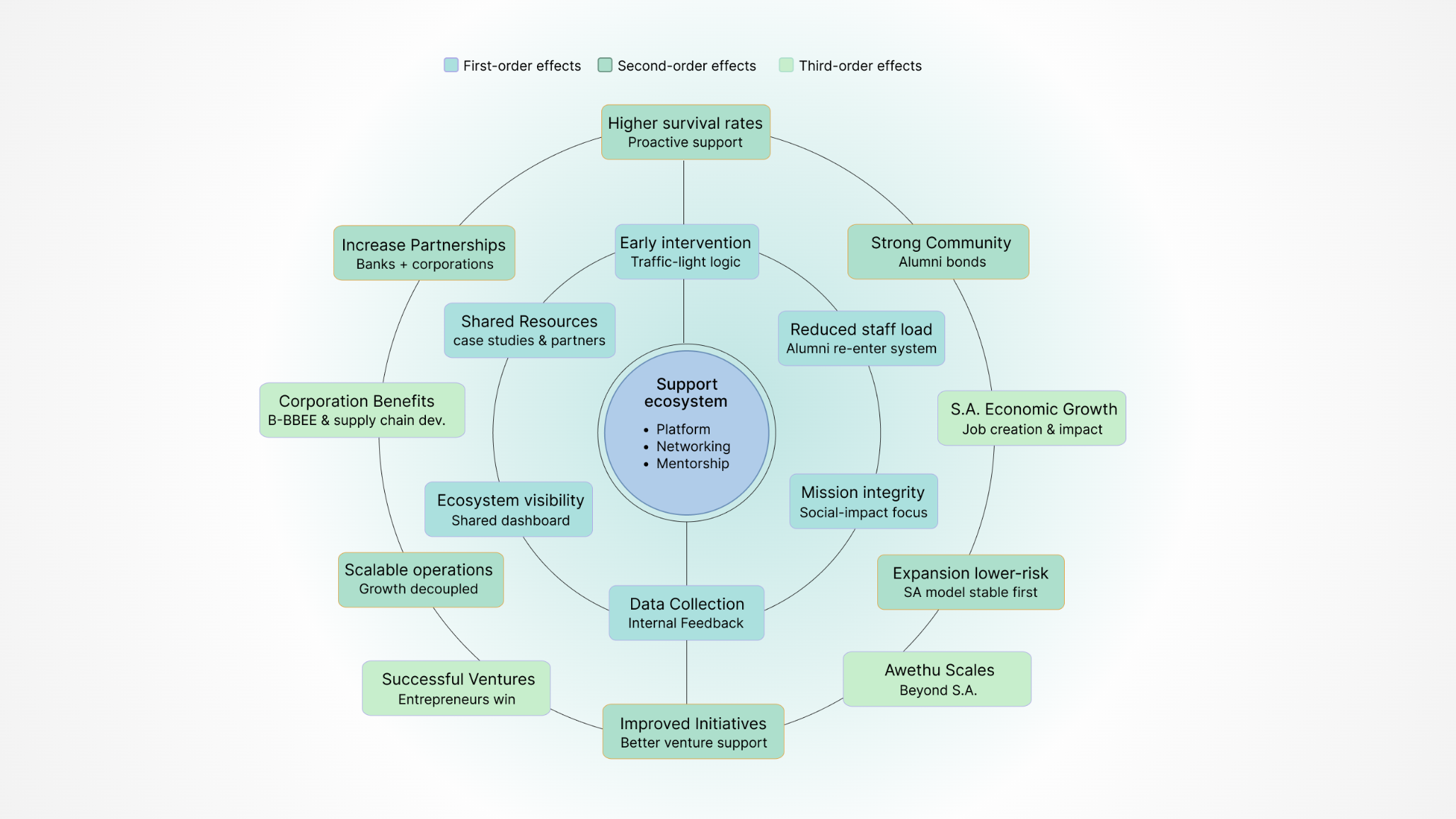
Awethu already had the pieces of an ecosystem: entrepreneurs, alumni, staff, partners and resources.
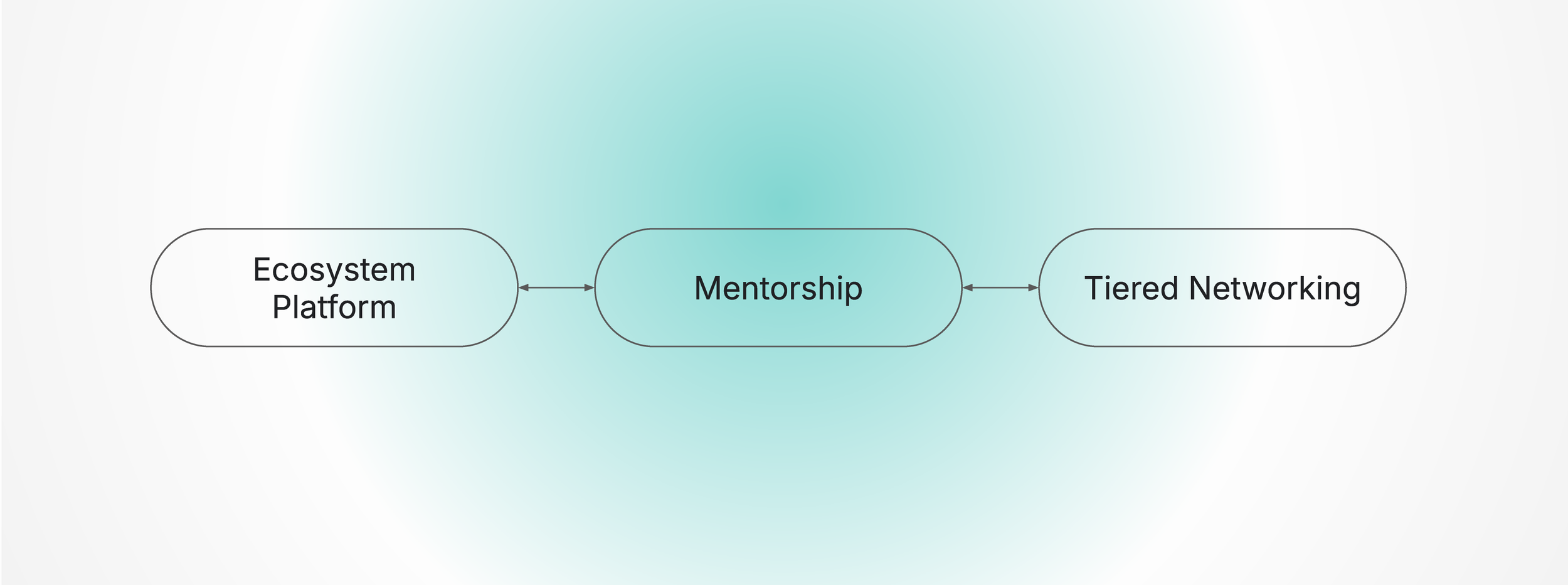
Our model connected them through three pillars: mentorship, tiered networking and an ecosystem platform.

Mentorship paired each entrepreneur with an Awethu contact and an alumni mentor. Networking created regular points of exchange through monthly peer meetups, investor events every six months and smaller curated introductions.  The ecosystem platform connected the model, giving staff and entrepreneurs shared visibility over progress, resources and support needs while generating data to strengthen future cohorts. Together, the three pillars reduced dependence on Awethu’s central team by allowing support, knowledge and relationships to move more freely through the ecosystem.


the backbone for greater impact

For Awethu’s staff, the platform enabled a bird’s eye view across entrepreneur profiles, portfolio progress, KPIs and intake. For entrepreneurs, it brought together planning tools, financial projections, learning resources, mentors, community, events and milestones.


🚥

A traffic-light system helped flag where support might be needed proactively, using context-specific indicators rather than one benchmark across industries. Like an ice cream shop having a quiet winter isn’t quite the same as a family-run delivery business suddenly getting squeezed by fuel prices.


the loop only works
if entrepreneurs succeed

The model created a feedback loop: entrepreneurs grow, alumni return as mentors, partners contribute resources and access, and Awethu uses what it learns to strengthen future cohorts. We paired performance measures with mission-integrity guardrails, tracking survival, retention and participation alongside access, portfolio diversity and the share of businesses funded outside SAB’s supply chain. This let us measure scale without losing sight of who Awethu was built to serve.

The model was designed to roll out in phases, validating the ecosystem before expanding beyond South Africa.


so we kept coming back to one question,

if awethu scaled to 10,000 entrepreneurs using the same operating model, what breaks first?


the people holding it together.


team

Isabella Botero
Bhavya Jagadesh
Emma Mohs
Juanfra Montero
Liza Petrashko
Mauricio Velazquez


tools

Figma / FigJam
ChatGPT
Lovable